

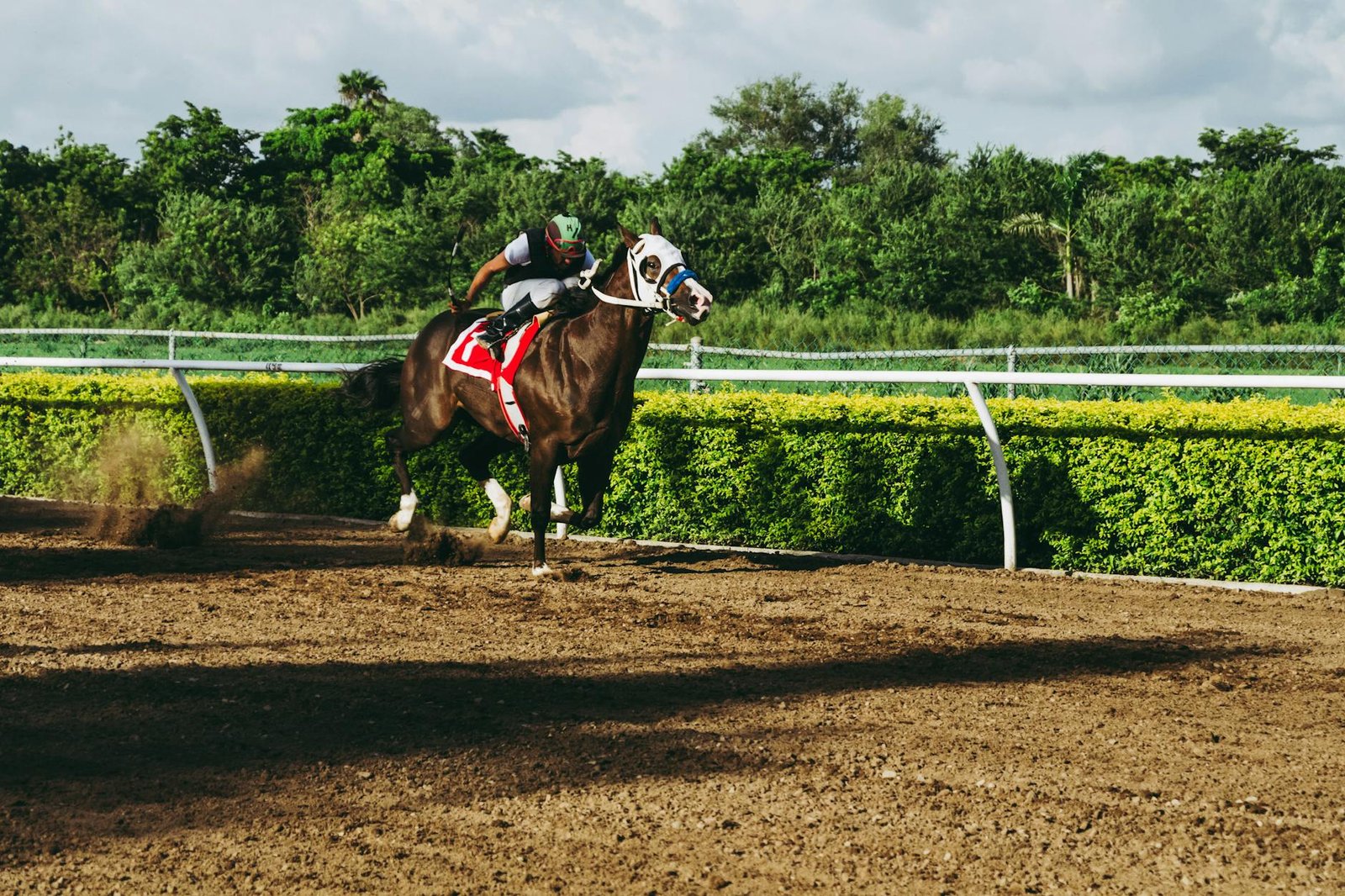
The Hong Kong Jockey Club publishes veterinary notes on its horses. We hold 53,966 of them. This is what they contain and how to use them in an analysis.

The tables behind racing data, how they join, and two traps: IDs that only mean something inside one market, and profile totals that quietly look into the future.
The distance between runners is the messiest column in racing results. This is how UK and Hong Kong write it, and how to turn it into a number.

Where AI genuinely helps with racing data, where it just invents things, and why a language model needs the table in front of it.

Working SQL and Python for the features most racing models start from, with the leakage traps that catch people out and the thin-history problem.

A finishing time tells you who won. Sectional times tell you how the race was run. Two real races, one UK and one Hong Kong, show what the splits look like.

What the string of figures next to a horse's name means, how racecards record recent runs, and how the same information appears in a database.

A horse race lasts between about a minute and nine minutes. Here are the distances and the winning times that go with them, measured on UK and Hong Kong results.
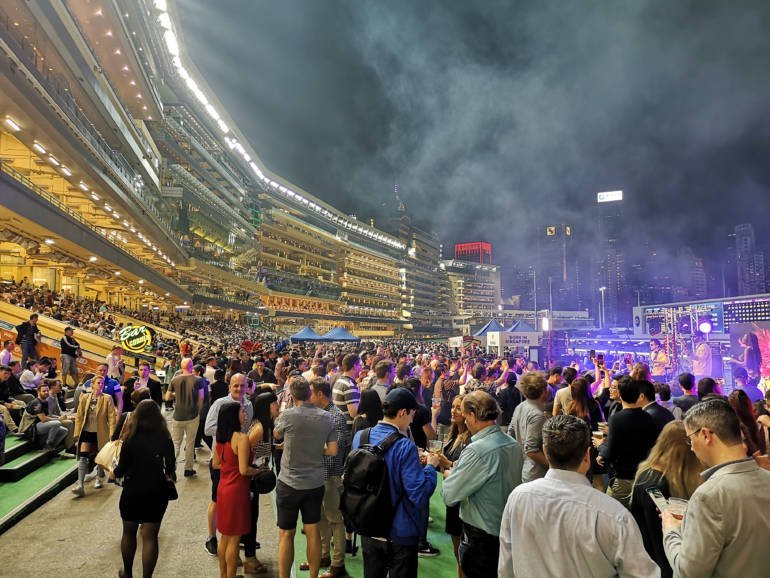
The Hong Kong racing season starts in early September, ends in mid-July, and has about 88 race days. Here is the pattern, measured from nine seasons of results.

A frank description of the UK and Irish racing archive: how many races, which types, what is recorded for each runner and where coverage thins out.
Recent Comments