


Ten questions to put to any horse racing data provider, with a test for each one you can run on a sample file in an afternoon.
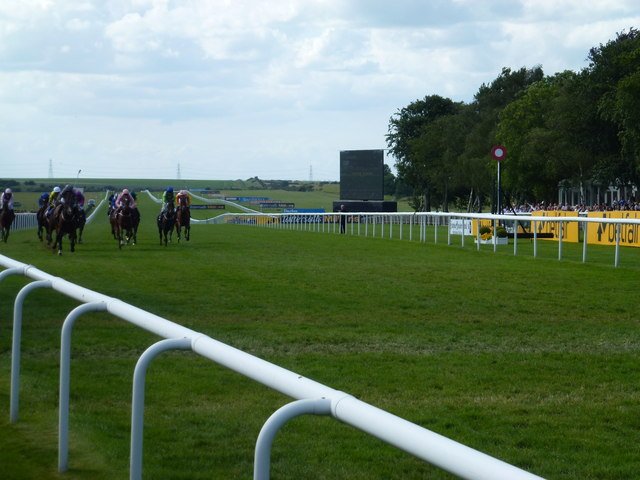
A set of plain statistics measured on our own UK, Irish and Hong Kong results: how big the fields are, how often horses fall, and how short most careers are.
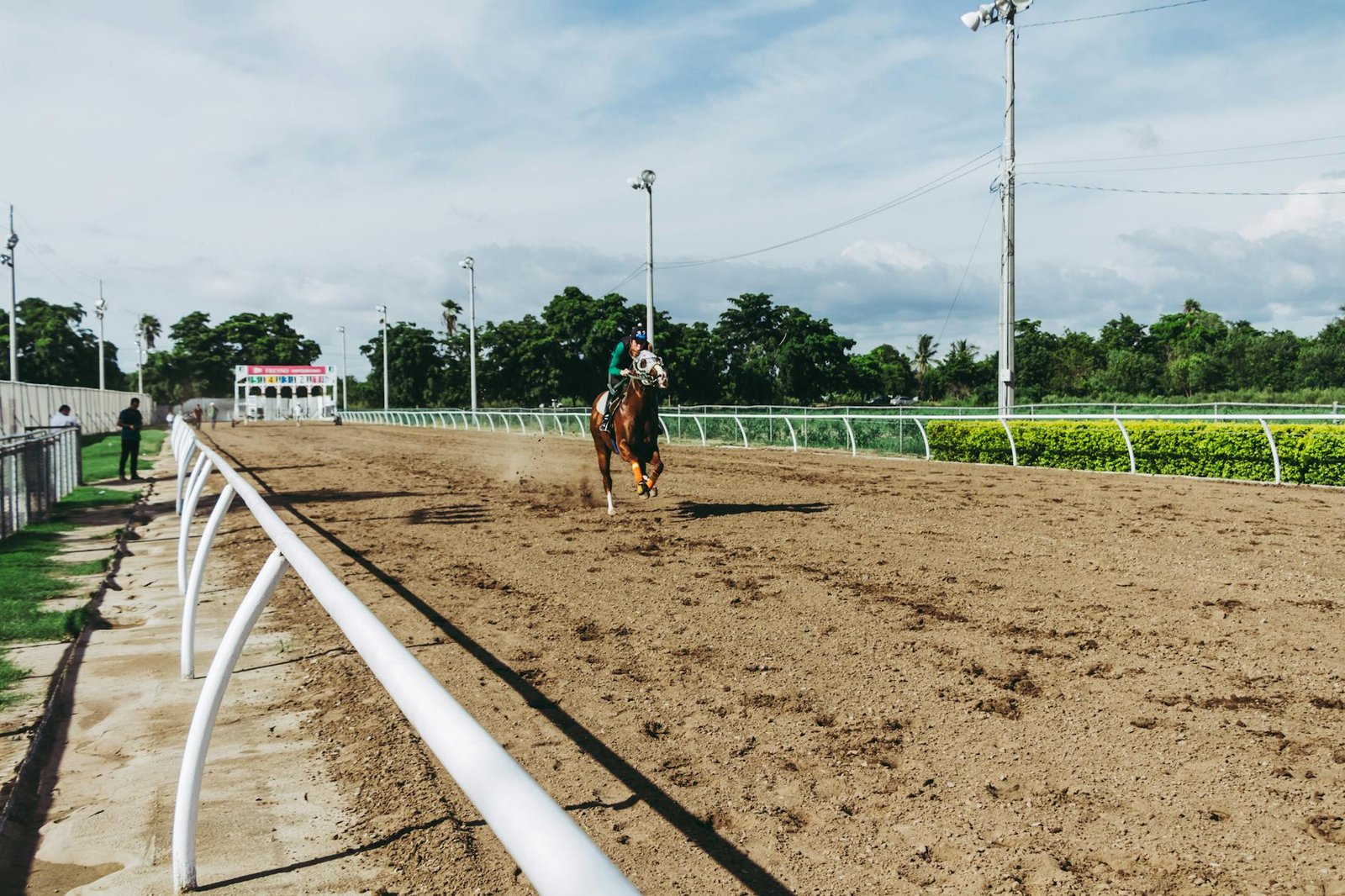
UK race distances are text, there are about 1,900 of them, and the surface column is not what its name suggests. A practical guide with the real counts.

Why analysts keep coming back to racing as a dataset, and the honest limits that come with each of its strengths.
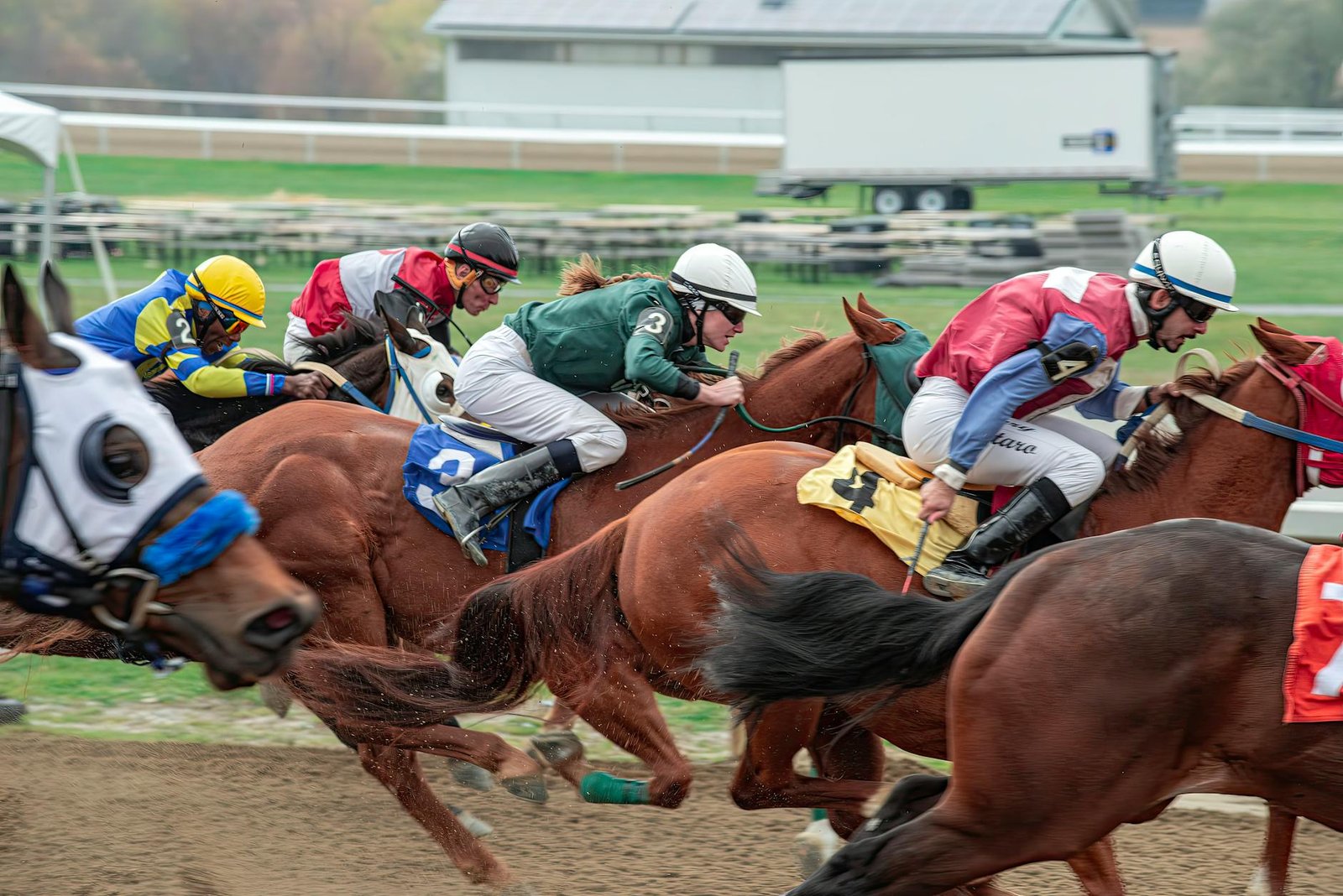
Which UK and Irish racecourses stage the most races? We counted every race since 2011. The answer is not the famous ones.
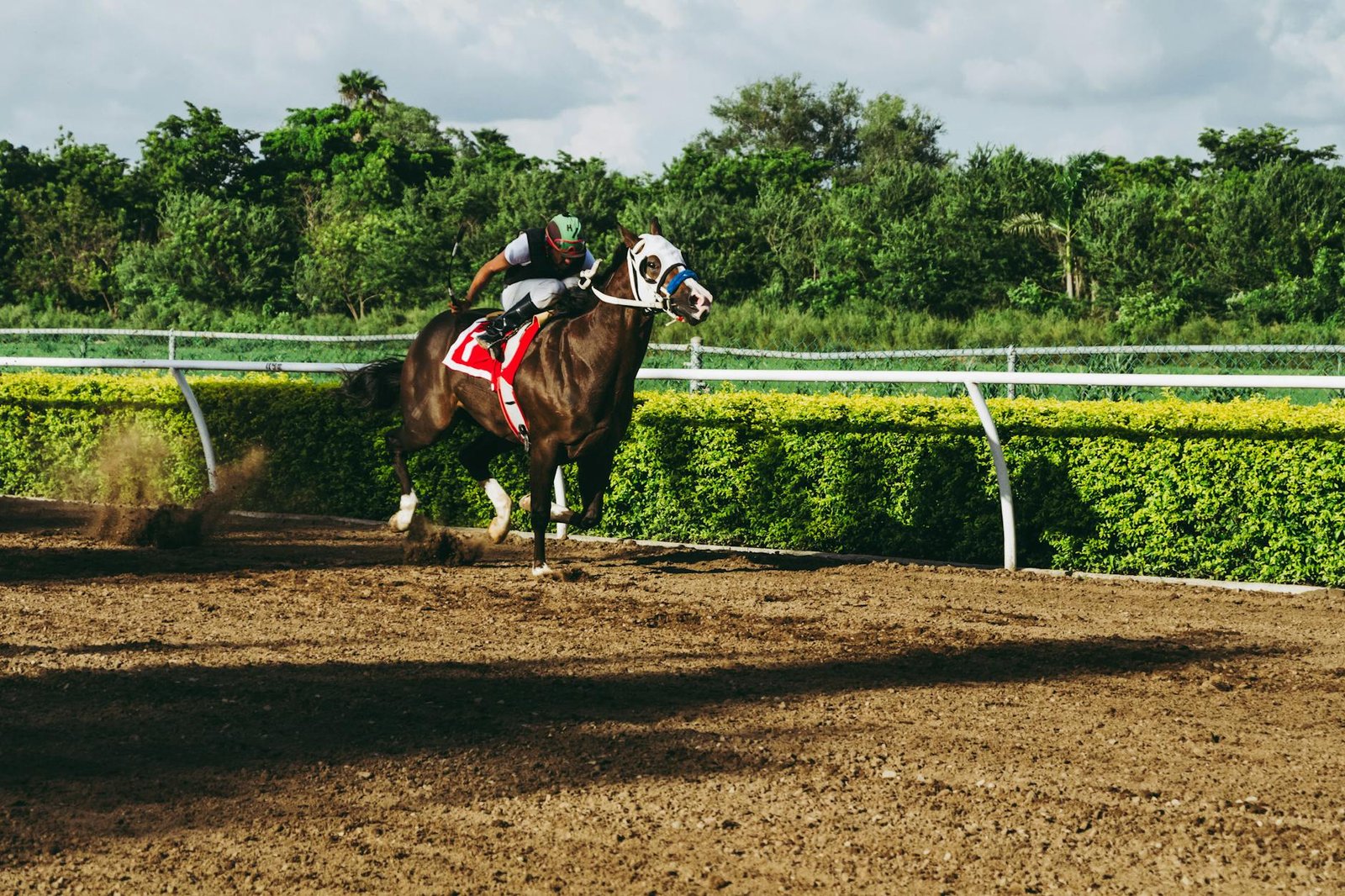
The Hong Kong Jockey Club publishes veterinary notes on its horses. We hold 53,966 of them. This is what they contain and how to use them in an analysis.

The tables behind racing data, how they join, and two traps: IDs that only mean something inside one market, and profile totals that quietly look into the future.
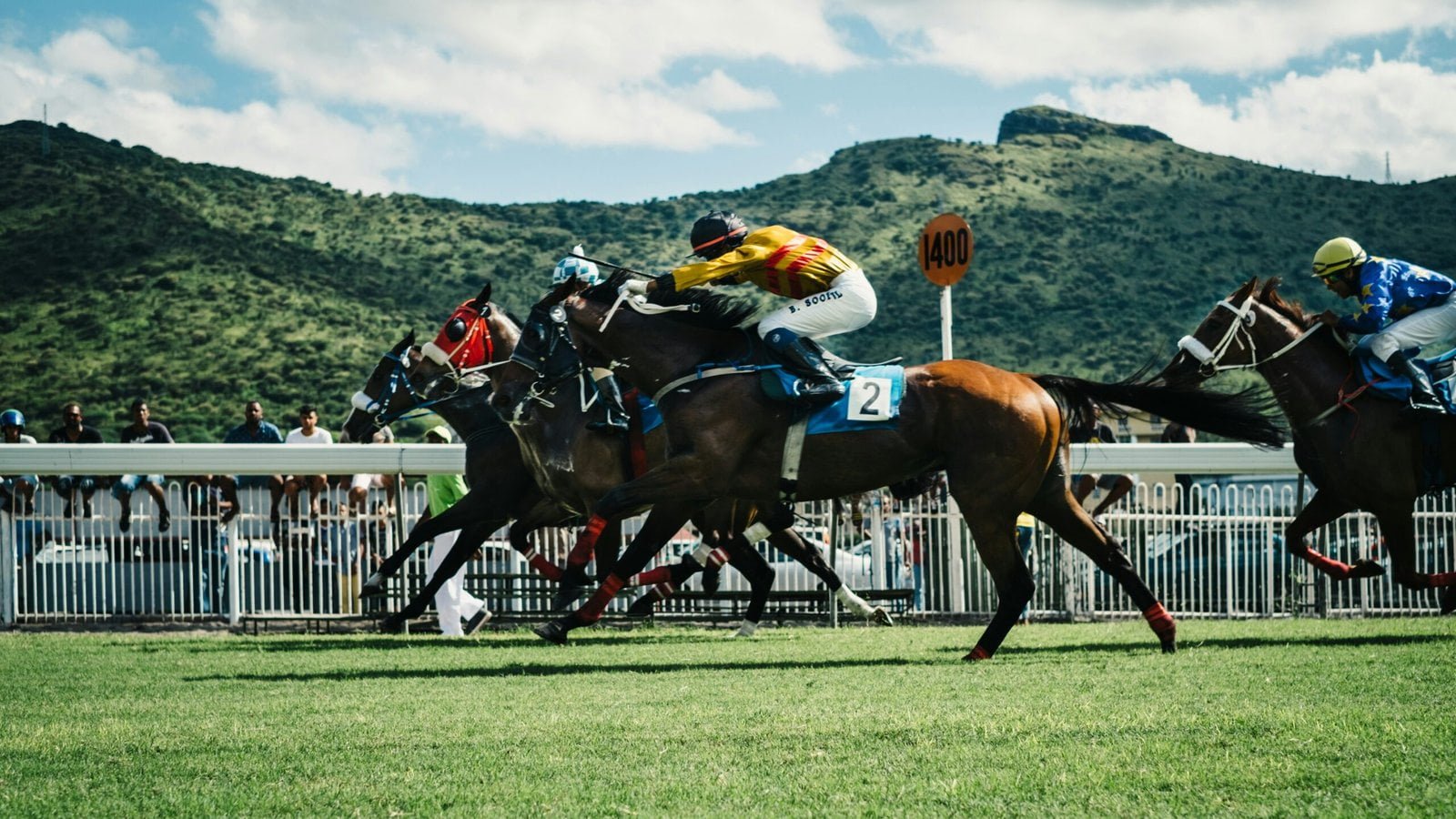
Where UK sectional times exist, and where they do not. Coverage by year, by country and by course, measured on every runner since 2017.

A horse race lasts between about a minute and nine minutes. Here are the distances and the winning times that go with them, measured on UK and Hong Kong results.

A frank description of the UK and Irish racing archive: how many races, which types, what is recorded for each runner and where coverage thins out.
Recent Comments