

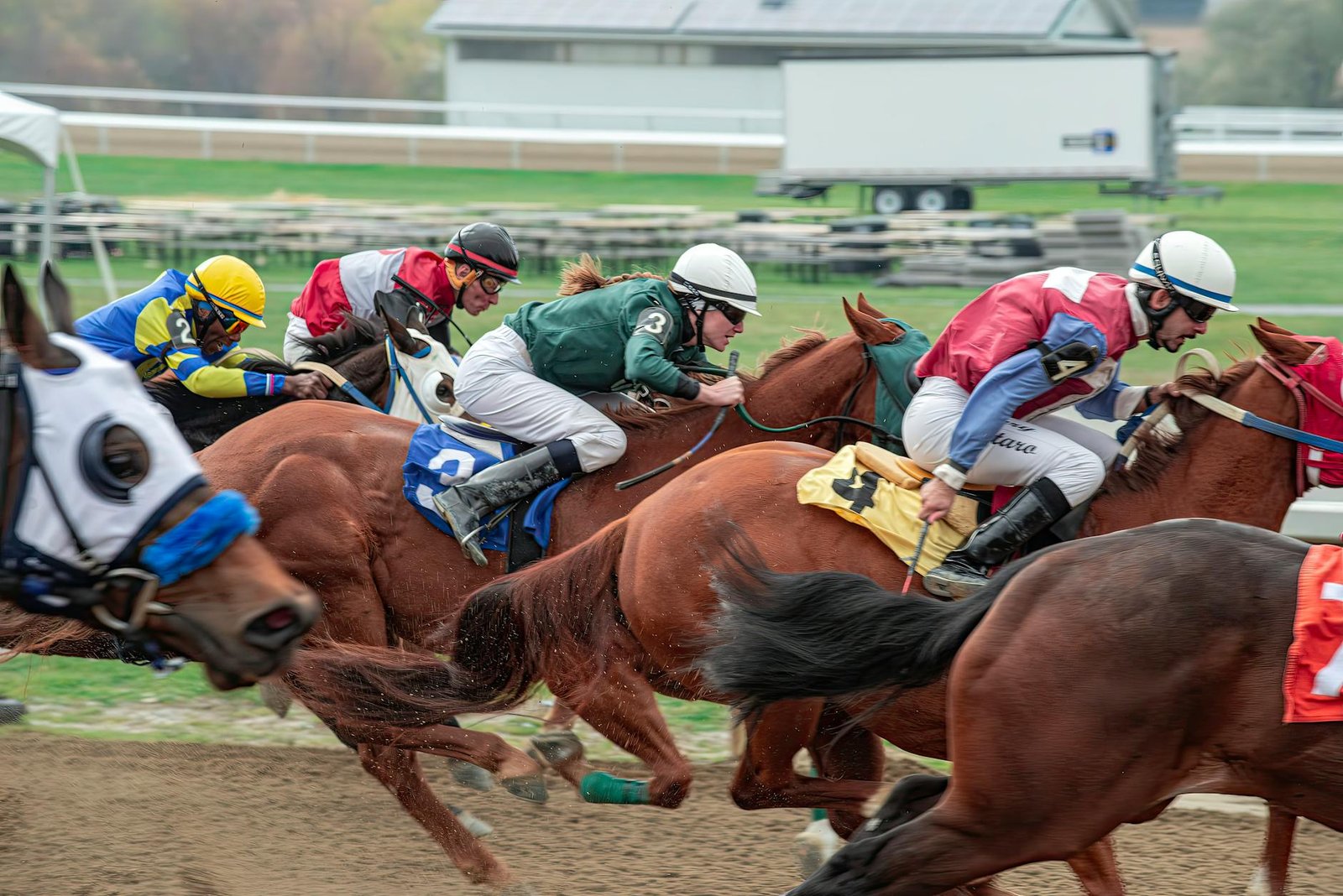
Where a race is run matters as much as how far it is run. Circular versus straight tracks, tight bends versus galloping ones, course-specific draw biases — these are quantifiable, data-encoded characteristics that serious analysts factor into their models.
Hong Kong: Two Distinct Circuits
HK racing operates across two courses, each encoded as a distinct venue in our schema:
- Sha Tin — A right-handed oval with a long home straight. Hosts the majority of Group races and the full distance range from 1000m to 2400m. Draw bias is distance-dependent and well-documented in the sectional data.
- Happy Valley — A tight, undulating circuit in the urban bowl. Features its own unique 1650m distance. Horses with Happy Valley form often require separate modelling from their Sha Tin record.
UK: Dozens of Distinct Venues
The UK dataset covers over 60 active racecourses. Each course record in our schema includes track configuration metadata — left or right-handed, straight or round, undulations — making venue-level filtering straightforward. Popular courses for data analysis include Ascot, Newmarket (Rowley Mile and July Course), Cheltenham, Lingfield and Sandown.
Querying by Venue
All race records in our dataset carry a stable venue identifier that can be used as a join key across seasons. This makes it straightforward to construct queries like “all 1200m races at Sha Tin in Good going since 2015” or “all National Hunt chases at Cheltenham with sectional data available” — without any course name normalisation overhead on your side.
Access historical race data or use the API to query venue-specific records in real time.
Comments are closed