

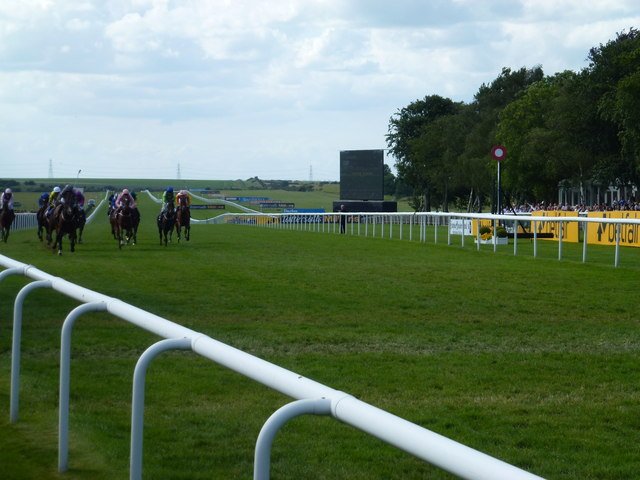
A set of plain statistics measured on our own UK, Irish and Hong Kong results: how big the fields are, how often horses fall, and how short most careers are.

Why analysts keep coming back to racing as a dataset, and the honest limits that come with each of its strengths.
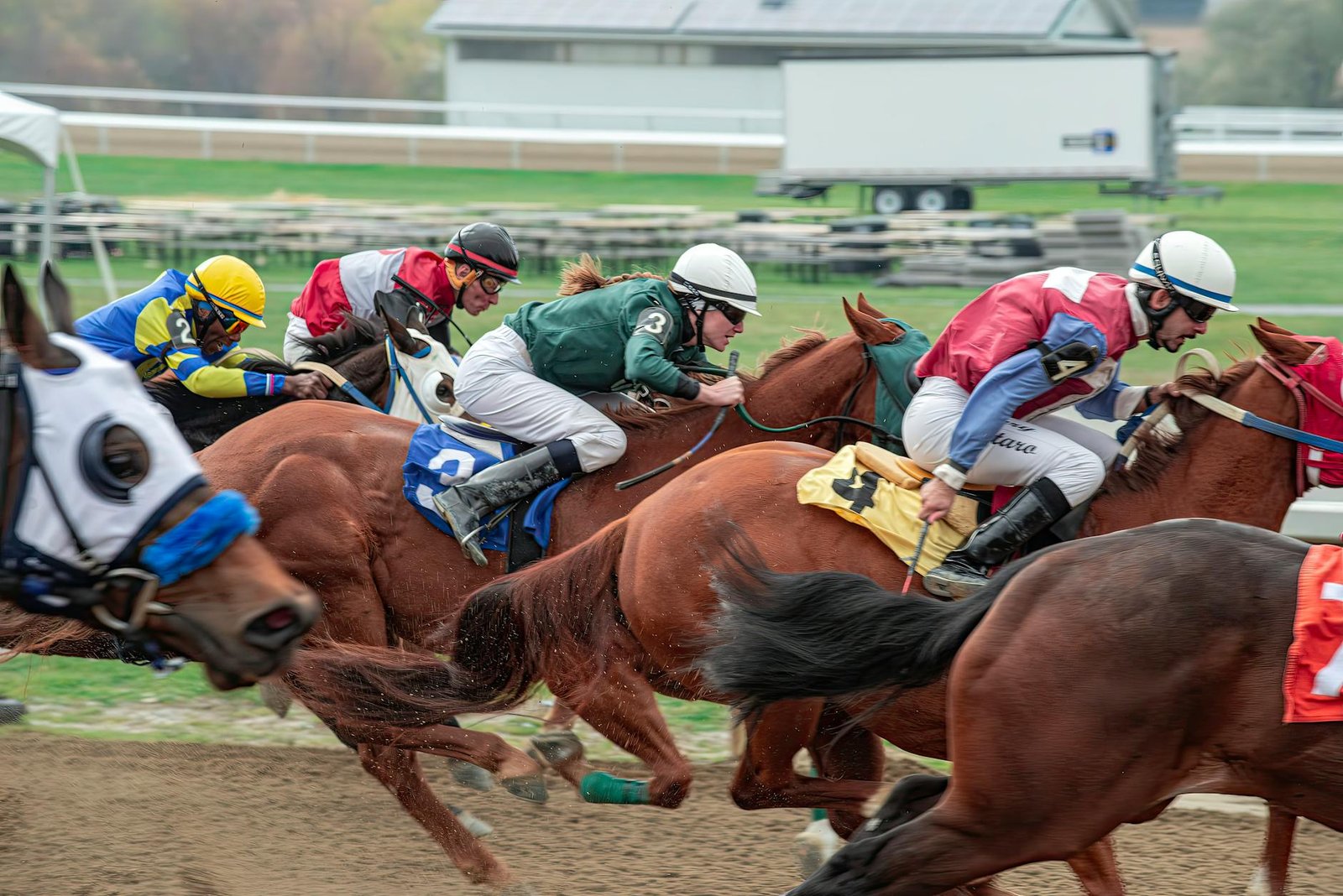
Which UK and Irish racecourses stage the most races? We counted every race since 2011. The answer is not the famous ones.

The tables behind racing data, how they join, and two traps: IDs that only mean something inside one market, and profile totals that quietly look into the future.

The distance between runners is the messiest column in racing results. This is how UK and Hong Kong write it, and how to turn it into a number.
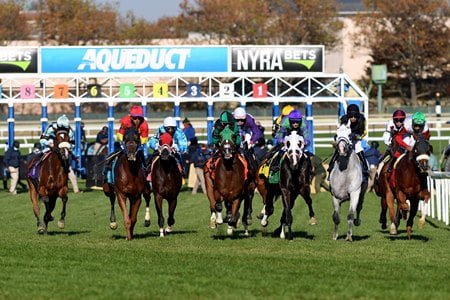
North American racing data is on the HRDB roadmap. This is the plain status: what is planned, what is not available yet and what you can use today.

A finishing time tells you who won. Sectional times tell you how the race was run. Two real races, one UK and one Hong Kong, show what the splits look like.

A plain description of the Hong Kong datasets we sell: the tables, the fields, how far back each one goes and the formats they come in.

What the string of figures next to a horse's name means, how racecards record recent runs, and how the same information appears in a database.
Recent Comments